The camper van market has been using the same two categories for decades: Class B and Class B+. But the world has changed. Remote work has become the norm. Off-grid living isn’t just weekends anymore. And the traditional categories weren’t built for how people actually want to travel today.
That’s why we created Verus – and with it, a new category: off-grid touring vehicles.
There was a gap between what’s available and what serious off-grid travelers actually need. Let’s break down what these categories mean, why we saw an opportunity, and how we’re filling it.
Understanding the Traditional Categories
Before we explain what we built, it helps to understand what already exists.
Class B: Built for Movement
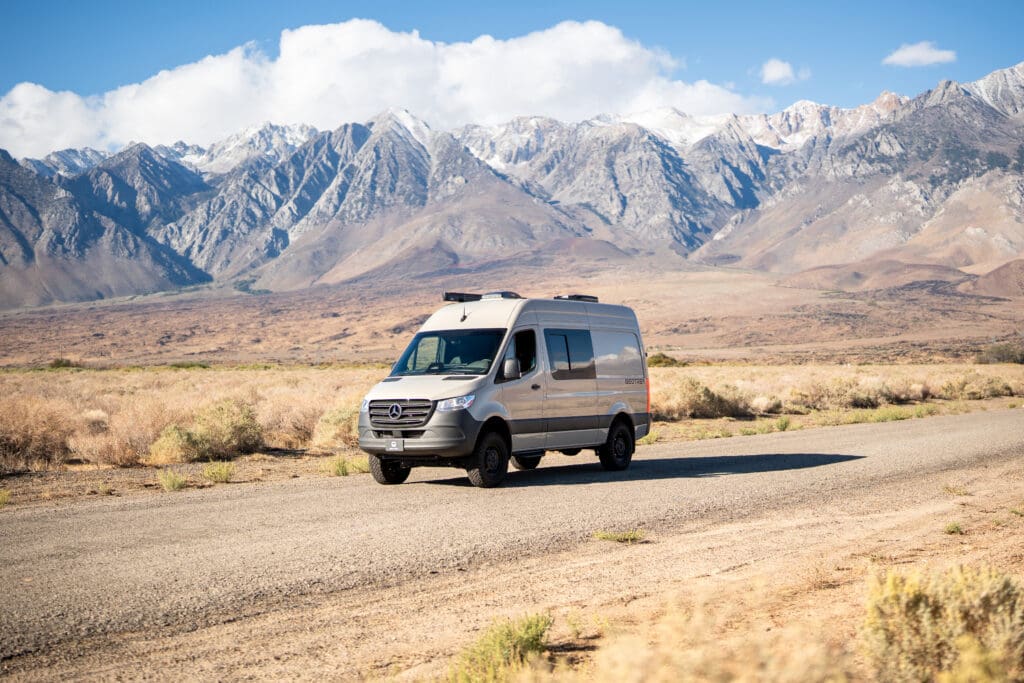
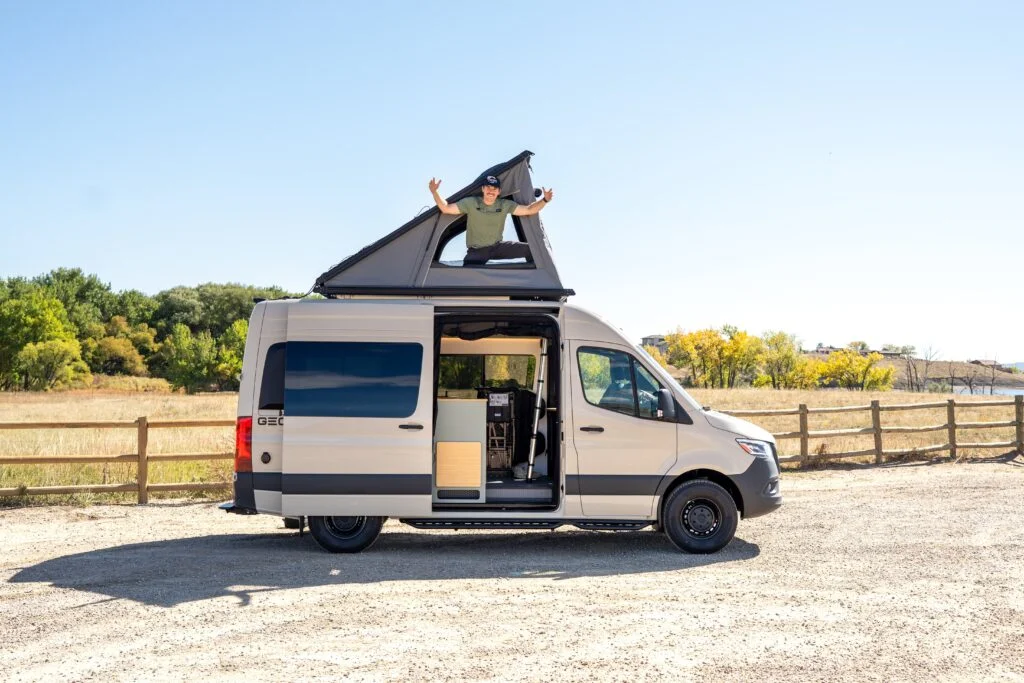
Class B camper vans are built on standard van chassis, typically the Mercedes Sprinter 144″ wheelbase. They’re the most common type of camper van you’ll see on the road, and for good reason. They’re maneuverable, fit in regular parking spots, and provide genuine living space without feeling like you’re driving a bus.
Typical Specs:
- Chassis: 144″ wheelbase (Sprinter, Transit, ProMaster)
- Power: 5-10kWh lithium systems
- Solar: 400-600 watts
- Water: 20-30 gallons fresh
- Sleeps: 2 people comfortably
- Off-grid duration: 1-3 days depending on usage
Who They’re For:
Class B vans are built for travelers who value the 144″ chassis platform – maneuverable, efficient, and able to access more places than larger rigs. Whether you’re weekend camping, full-timing, or taking extended road trips, they deliver genuine off-grid capability in a compact, drivable package.
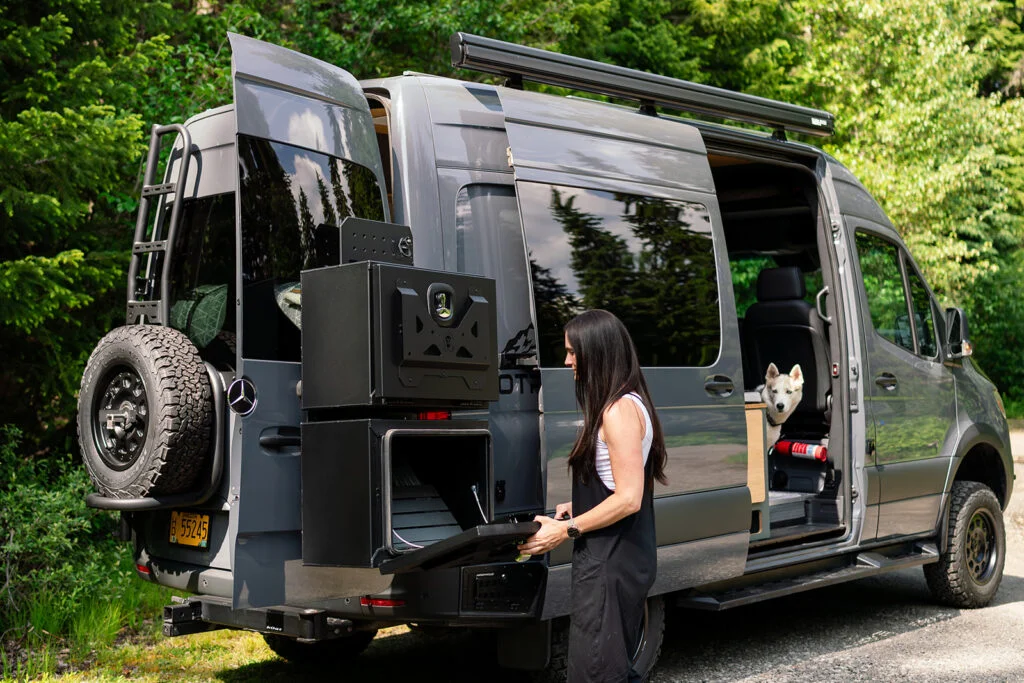
With the right systems (like our Flatiron’s 10kWh power and 24 gallons of water), you have solid off-grid capability. The primary consideration for extended stays is water capacity – you’ll refill more frequently than the 170″ platform when staying in one location for a week or more.
Best For:
- Travelers who value maneuverability without sacrificing capability
- Full-time van lifers and weekend adventurers alike
- Off-grid explorers on the 144″ chassis platform
- Anyone who wants proven systems in a compact, drivable package
Examples: Winnebago Solis, Storyteller Classic, Outside Van, and our Bear Peak and Flatiron models. These are well-built, capable vans designed for the way most people actually use camper vans: frequently moving, occasionally boondocking (off-grid camping), balancing adventure with civilization.
Class B+: More Space, Same Systems
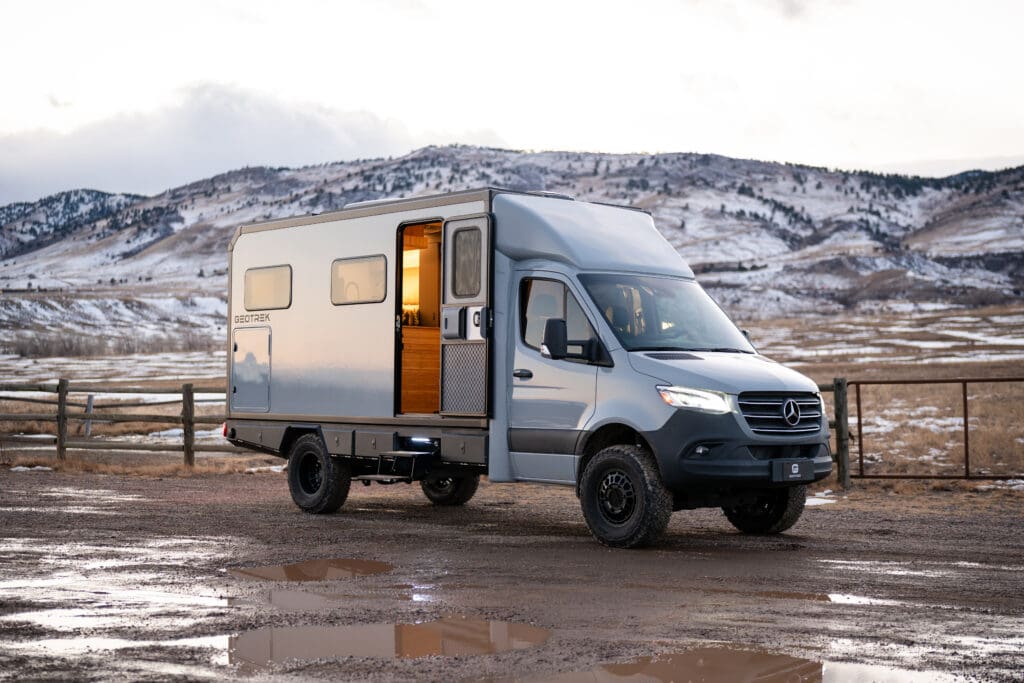
Class B+ occupies an interesting middle ground between a van and a small motorhome. The “plus” typically refers to a 170″ chassis (vs. the standard 144″) and frequently includes an overcab sleeping area or bulkhead extension that creates additional interior volume.
What Defines Class B+:
- 170″ wheelbase (on Sprinters, extended Transit/ProMaster)
- Often features overcab sleeping or storage
- More interior living space than standard Class B
- Still built on a van chassis (not a truck/RV platform)
Here’s what’s important to understand: Class B+ is primarily about interior space, not necessarily off-grid capability. Many Class B+ models have similar power and water systems to their Class B counterparts. You’re getting more room to move around, more sleeping options, more storage – but you’re not automatically getting extended autonomy.
Typical Specs:
- Chassis: 170″ wheelbase or extended platforms
- Power: Often similar to Class B (5-10kWh)
- Water: 25-35 gallons fresh (only slightly more)
- Sleeps: 2-4 people
- Off-grid duration: Still typically 1-3 days
Design Philosophy:
The extra space comes with compromises. Class B+ vans are less maneuverable, harder to park in urban areas, and often can’t access the same remote roads that a shorter wheelbase handles easily. You’re also looking at reduced fuel economy and higher initial cost.
For some travelers, that trade-off makes perfect sense. If you’re traveling with kids who need separate sleeping areas, or you simply want more room to spread out, the Class B+ format delivers additional living space. Just don’t assume that more space automatically means better off-grid capability – many Class B+ models still have limited power and water systems that won’t support extended remote work or long boondocking stays.
Examples: Winnebago Navion, Leisure Travel Van Wonder, some Coachmen Cross Trail models. These are quality builds focused on maximizing livable space within a drivable platform.
Introducing Off-Grid Touring Vehicles
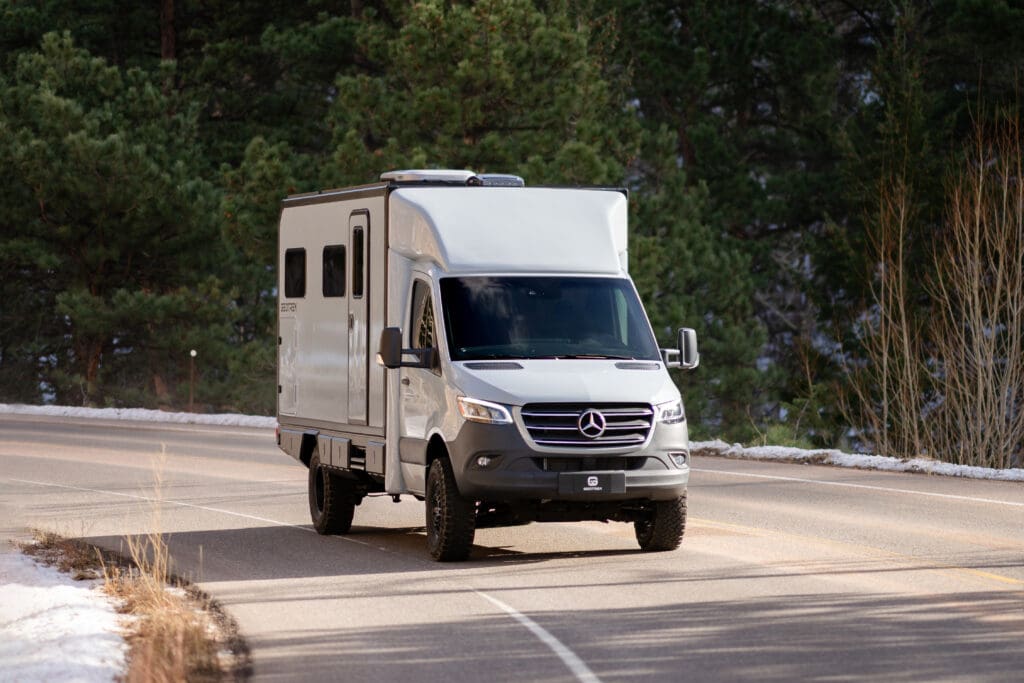
Here’s where the traditional categories break down. The world has changed. Remote work has become the norm. Off-grid living isn’t just weekends anymore. And while Class B+ vans offer more interior space, most still rely on the same limited power and water systems as their smaller counterparts.
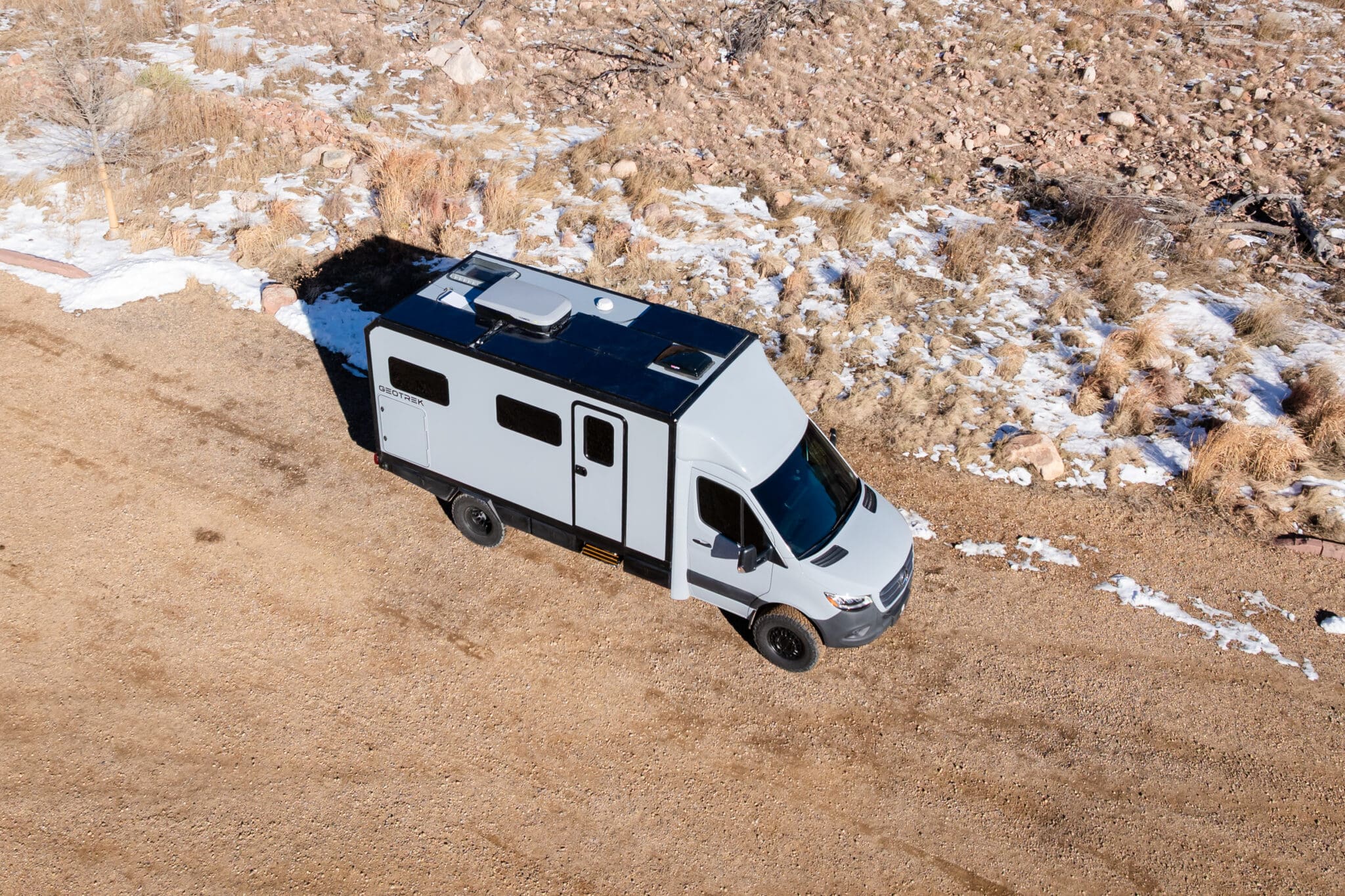
That’s why we built Verus – an off-grid touring vehicle that defines a new class of freedom.
Verus is specifically engineered for extended off-grid duration. Not just bigger, but fundamentally different in its systems, capacity, and intended use.
This isn’t about maximizing space or minimizing size. It’s about maximizing autonomy: the ability to reach remote locations and stay there, comfortably, for days at a time.
What Makes Verus Different
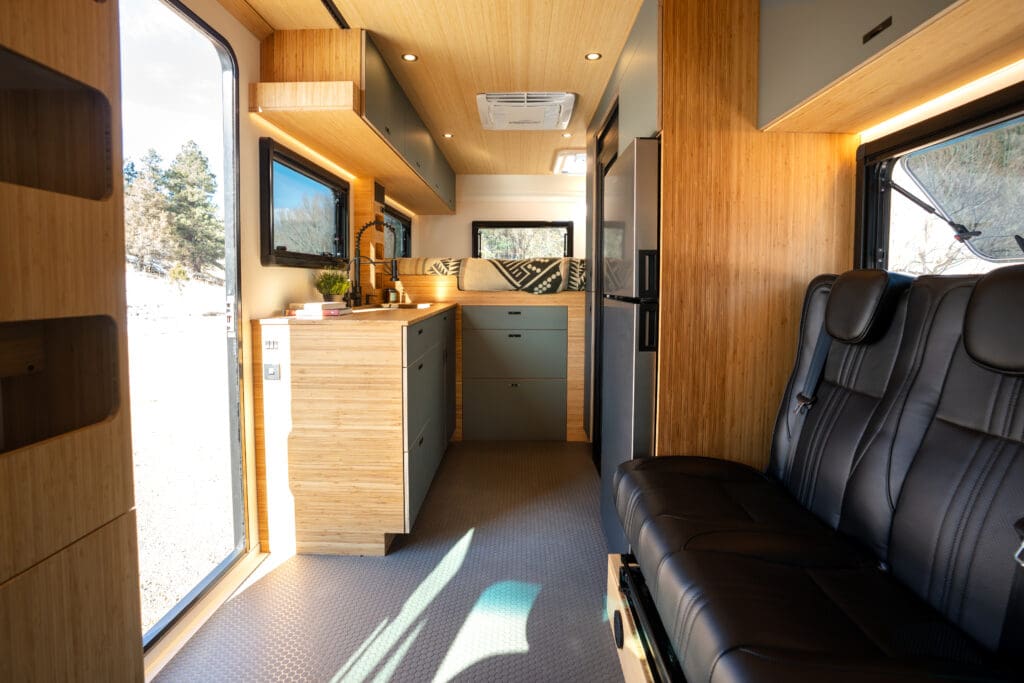
Verus is built around a specific benchmark: 3-5 days of autonomous operation without hookups, without rationing, without compromises. That means robust power systems, significant water capacity, effective climate control, and the kind of thoughtful design that makes extended stays sustainable rather than an endurance test.
Verus Specs:
- Chassis: 170″ wheelbase
- Power: 10kWh lithium system
- Solar: 1000 watts
- Water: 43 gallons fresh, 16 gallons grey
- Climate: 48V AC, diesel heat
- Off-grid duration: 3-5+ days of comfortable living
The Key Differentiators
It’s not just about bigger numbers. It’s about what those systems enable:
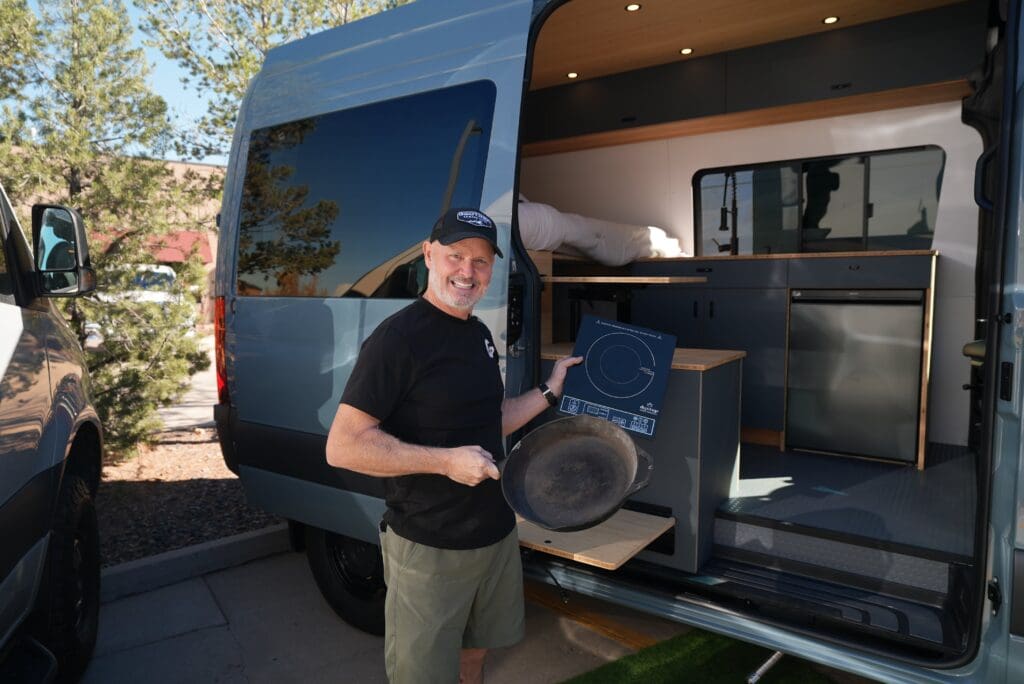
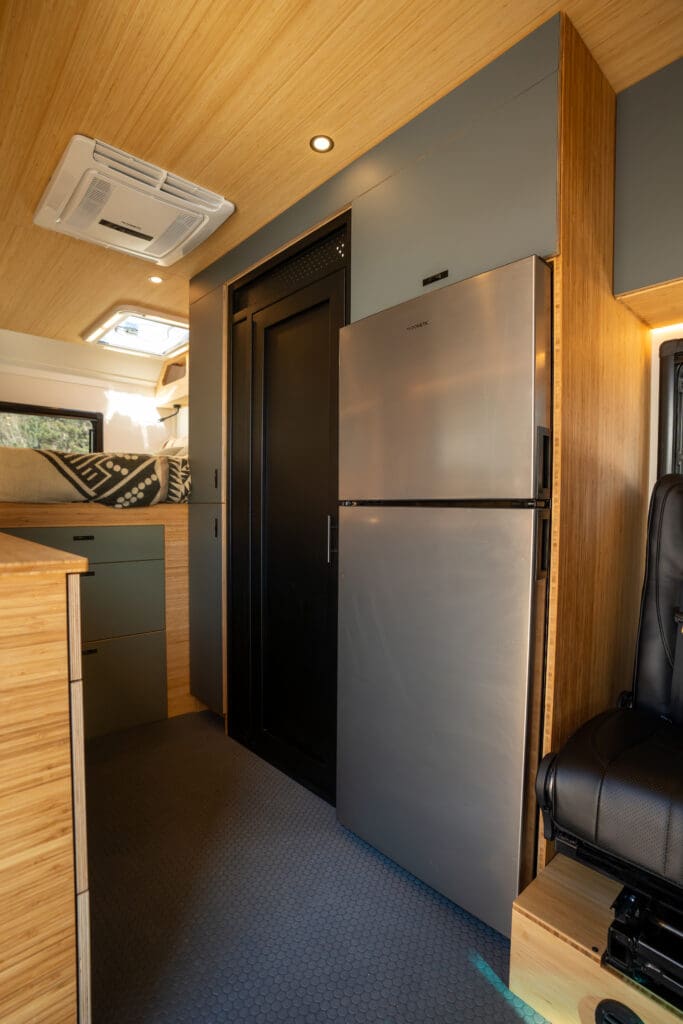
Power: 10kWh paired with 1000W solar means you can run air conditioning, cook with real appliances, work remotely on Starlink, and keep lights on without constantly calculating battery percentages. The system recharges itself faster than you deplete it in normal use.
Water: 43 gallons of fresh water means real showers, doing dishes normally, and living the way you actually want to live. Not the way you have to live when you’re rationing a 20-gallon tank.
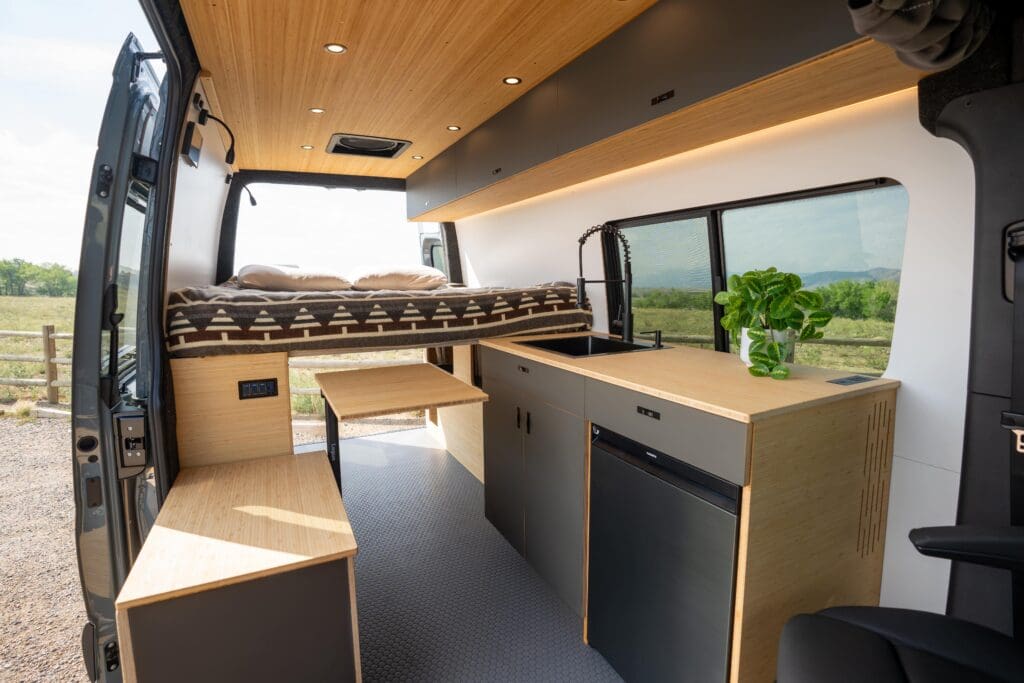
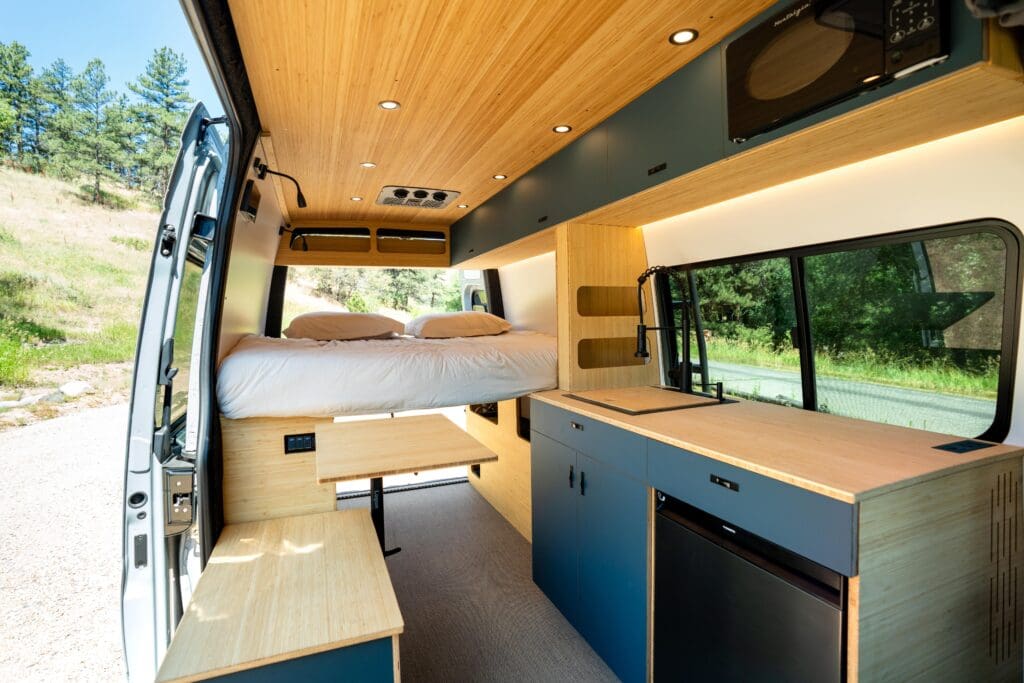
Space: The 170″ chassis isn’t just about volume. It’s about creating dedicated spaces – a sleep studio that doesn’t require nightly reconfiguration, a kitchen with real counter space, expansive windows and natural flow, room to work and move without feeling cramped.
Climate: 48V air conditioning and diesel heat that run efficiently off your power system mean you can maintain comfort in any season without being tethered to shore power.
Who Verus Is For
Off-grid touring vehicles are for travelers who want to reach remote locations and stay there. Not just pass through. Not just sleep overnight. Actually settle in and live.
You’re the person who finds a trailhead or an overlook or a stretch of public land and wants to stay for a week. Who works remotely from locations most people never see. Who understands that real freedom isn’t about hitting every Instagram spot on a road trip – it’s about having the capability to stay in the places that matter.
You check solar input and water levels the way other people check their phone. You know the difference between 12V and 48V climate control systems. You understand that extended off-grid living requires systems that work, not features that impress.
What Type of Van Is Right for You?
The right category depends on how you actually travel, not how you imagine you might travel. Here are the questions that matter:
How long do you typically stay in one location?
- 1-5 days off-grid → Class B (Bear Peak, Flatiron)
- Regularly staying 5+ days off-grid → Verus
What’s your typical destination?
- Established campgrounds with hookups → Class B or B+ works well
- Mix of campgrounds and boondocking → Class B with strong systems (like Flatiron)
- Remote BLM land, trailheads, off-grid locations → Verus
How do you want to manage water?
- Refill every 3-5 days → Class B or B+ (20-30 gallon capacity)
- Week+ without resupply → Verus (43 gallons)
What’s your work situation?
- Vacation travel only → Any category works
- Remote work while traveling → Class B with good power (like Flatiron)
- Remote work from extended off-grid locations → Verus
The Bottom Line
We didn’t create the off-grid touring vehicle because we thought the camper van market needed more jargon. We created it because there was a real gap between what exists and what a growing number of travelers actually need.
Class B vans like our Bear Peak and Flatiron are excellent at what they do – they’re maneuverable, efficient, and capable of solid off-grid performance. They’re the right choice for most van travelers.
Class B+ vans deliver more interior space for families or anyone who wants room to spread out, though many don’t fundamentally change the off-grid equation.
And Verus? Verus is for the travelers who want to reach remote locations and stay there. Who need systems robust enough to support extended autonomous operation. Who understand that real freedom comes from capability, not just square footage.
The camper van market has evolved. We’re just making sure the categories evolve with it.