Updated October 16, 2026
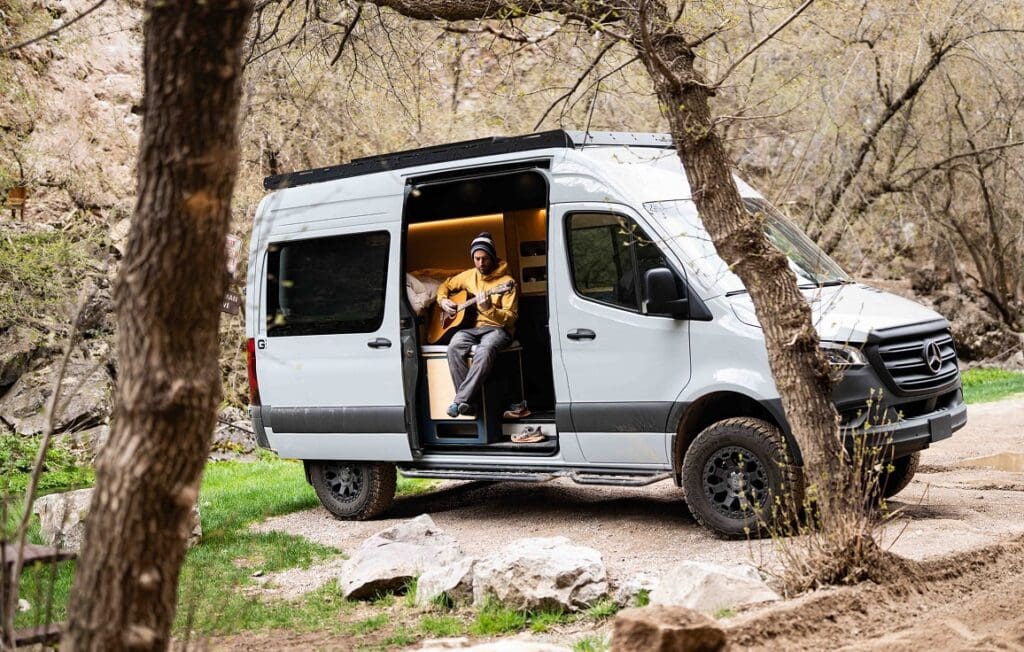
If you’re researching the best camper van for the way you travel, you’ve probably seen the same names come up again and again: Storyteller Overland, Outside Van, VanDOit, Winnebago, Geotrek and more.
From custom camper van conversions to factory-built Class B motorhomes, there are a lot of options to sort through. The specs can start to blur together quickly, especially when you’re comparing different chassis, layouts, power systems, price points and levels of customization.
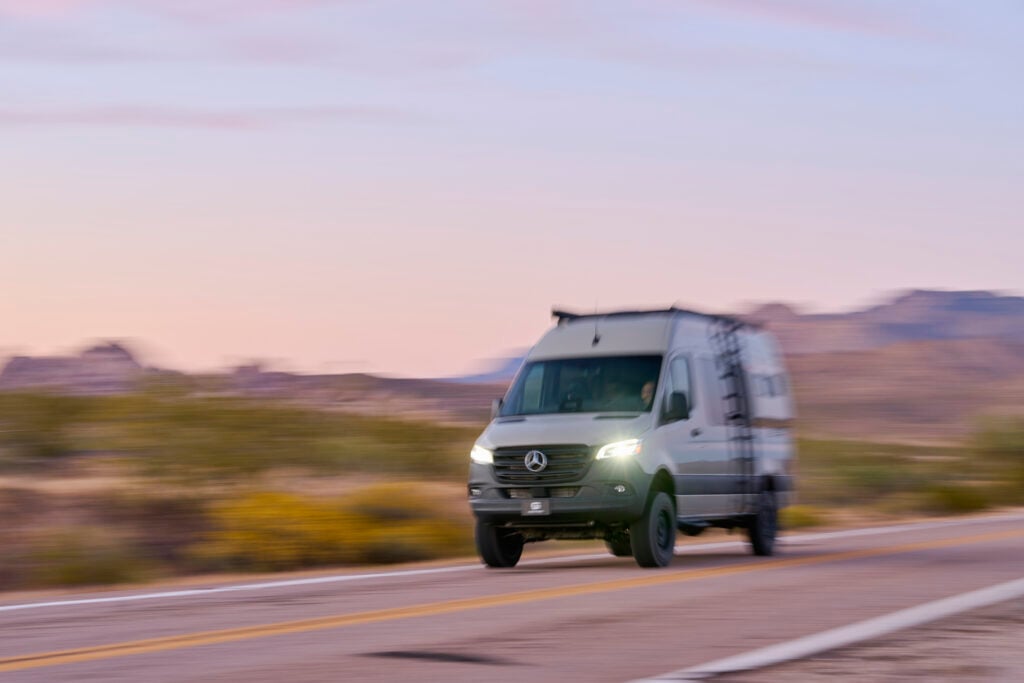
Most camper vans are built on a few common base vehicles, including the Mercedes-Benz Sprinter, Ford Transit and Ram ProMaster. Each platform has its own strengths, from all-wheel drive and off-road capability to interior height, cargo space and driving feel.
So how do the leading van builders actually compare? What are you paying for, what are you getting, and what might you wish you’d known sooner?
We built this guide to cut through the noise and give you a side-by-side look at some of the best camper vans and Sprinter-based van builds on the market, including our own builds at Geotrek.
Whether you’re just starting your research or narrowing down your short list, this breakdown covers:
- What each brand is known for
- Price ranges and wait times
- Build quality, lifestyle fit and value
- Chassis and off-grid capability
- Layout and livability
- Where Geotrek fits in and why we do things a little differently
What to Look For in a Camper Van
Not all camper vans are built the same, and when you’re about to invest six figures in a rig, the details matter.
Before we break down the top van brands, here are the features and factors worth paying attention to.
1. Chassis and Off-Grid Capability
The chassis is the foundation of the entire van.
The Mercedes-Benz Sprinter is one of the most popular platforms for premium camper van builds because it offers strong road manners, a high-roof option, plenty of cargo space and available AWD.
The Ford Transit is another popular choice, while the Ram ProMaster is commonly used for front-wheel-drive camper van conversions.
If you plan to spend time off paved roads, look beyond the badge. True off-road capability depends on the full setup, including tires, suspension, clearance, weight distribution and how the van is built.
Off-grid capability matters too. Battery capacity, solar panel output, insulation, heating, water capacity and overall efficiency all determine how long you can comfortably travel without hookups.
2. Layout and Livability
A camper van can look great in photos and still feel completely different once you start living in it.
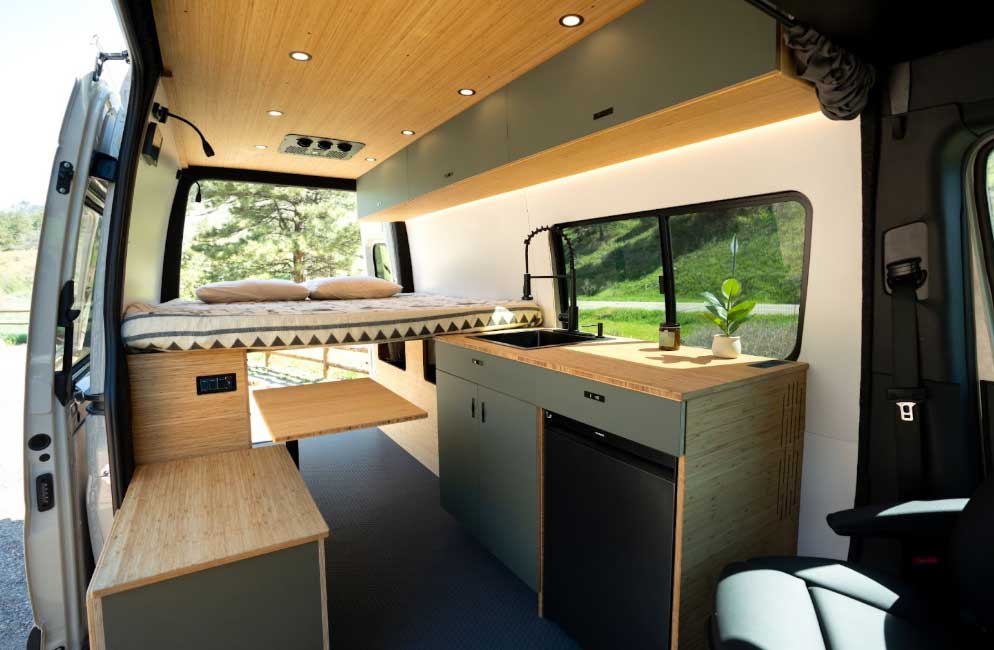
Think about how you’ll actually use the space. Do you want a fixed bed, a Murphy bed, twin beds or a more flexible sleeping setup? Do you need a full kitchenette, a wet bath, a dedicated workspace or more open floor space?
Layout matters even more in small camper vans, where every inch has to work harder. A good design should make it easy to move through the van, access storage and use the galley without constantly rearranging your space.
3. Build Quality and Materials
Some vans look premium until you start opening cabinets, testing latches and looking closely at the materials.
Build quality affects noise, durability and how the van holds up over time. Look at cabinetry, hinges, flooring, insulation, wall panels, plumbing, electrical systems and the way everything is secured.
Custom van builders and direct-to-consumer companies often have more flexibility in the materials and systems they choose than large-scale manufacturers.
4. Power and Systems
A strong camper van needs more than a nice interior.
Pay attention to battery capacity, solar panel setup, alternator charging, outlets, lighting, heating, air conditioning, water systems and how easy everything is to control.
The best camper van systems should feel intuitive. You shouldn’t need to be an electrician every time you want to check your power or turn on the heat.
5. Storage and Gear
Storage can make or break the experience, especially if you travel with bikes, skis, climbing gear, pets or a lot of equipment.
Look for garage space, overhead cabinets, under-bed storage, exterior storage and flexible areas that can adapt to different trips.
A van can technically have a lot of storage and still make that storage hard to access, so pay attention to how it works in real life.
6. Wait Time and Availability
Some custom van builds can take a year or longer. Others are produced in larger numbers and may be available much sooner.
Neither approach is automatically better. The right choice depends on how much customization you want and how quickly you want to get on the road.
If timing matters, look at both custom build lead times and ready-to-go inventory.
7. Brand, Support and Lifestyle Fit
A camper van isn’t just a vehicle. It becomes part of how you travel.
Some brands focus heavily on luxury camper vans. Others lean toward rugged off-road builds, minimalist interiors or family-friendly Class B RVs.
Think about the kind of support you want after the sale too. Dealer networks, direct access to the builder, warranty coverage and owner communities can all affect the experience long after you drive away.
Sprinter, Transit or ProMaster: Which Base Vehicle Is Best?
The Mercedes-Benz Sprinter, Ford Transit and Ram ProMaster are three of the most common base vehicles used for camper van conversions.
The Mercedes-Benz Sprinter is widely used for premium and adventure-focused builds. Its available AWD system, high-roof configuration and long-distance driving comfort make it a popular choice for people who want more capability.
The Ford Transit is another versatile cargo van platform and is available in multiple roof heights and configurations. It’s commonly used by both custom van builders and larger manufacturers.
The Ram ProMaster uses front-wheel drive and has a wider interior shape, which can make certain layouts easier to design around.
There isn’t one best base vehicle for everyone. The right choice depends on your priorities, budget, desired drivetrain and how you plan to use the van.
How the Top Camper Van Builders Stack Up
Now that you know what to look for, let’s break down some of the top names in the camper van market.
Some are custom van builders. Others operate more like traditional Class B motorhome manufacturers. A few land somewhere in between.
This comparison looks at pricing, chassis, layout, off-grid capability, customization and overall travel style.
Geotrek
Chassis: Mercedes-Benz Sprinter 144″ AWD
Price Range: Starting at $119,950
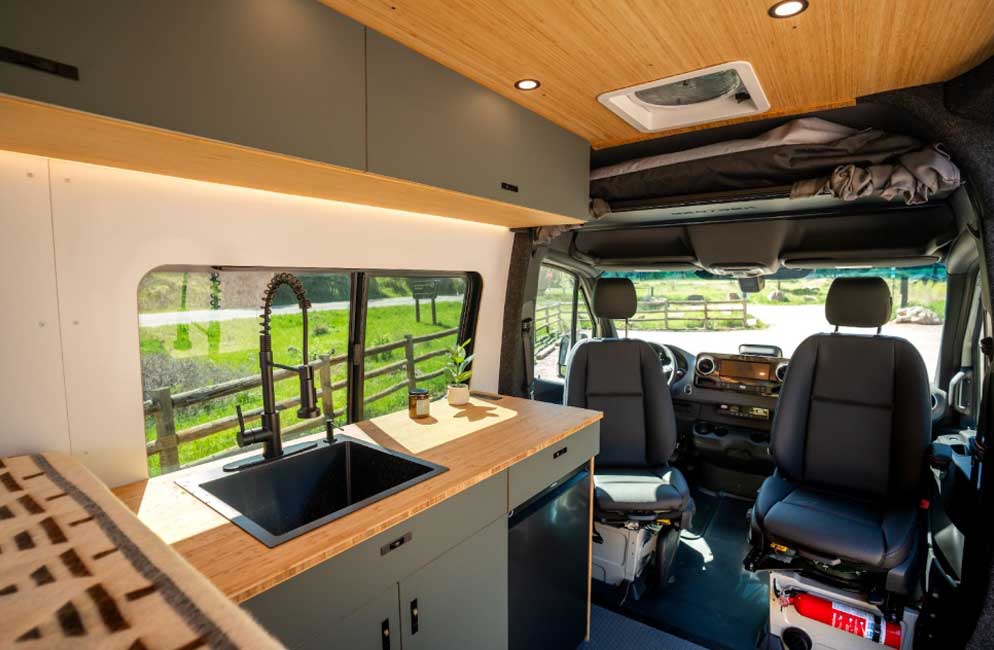
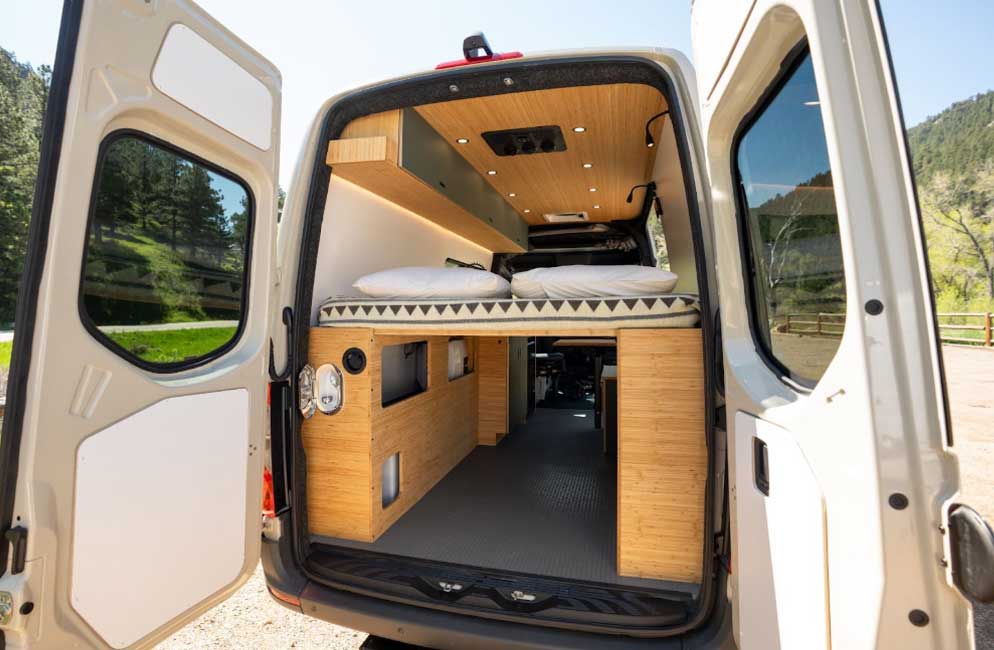
Geotrek builds premium camper vans designed around off-grid travel, everyday usability and direct-to-consumer value.
Rather than selling through dealerships, Geotrek works directly with buyers. That means there’s no dealer markup between the builder and the customer.
Geotrek vans are built on the Mercedes-Benz Sprinter platform and designed to balance comfort, storage, power and road capability.
What stands out
Geotrek offers multiple layouts and trims so buyers can choose the setup that makes the most sense for how they travel.
Depending on the model and trim, features can include EcoFlow battery systems, solar charging, diesel heat, air conditioning, swivel seats, hot water, large garage space and flexible storage.
The company also focuses heavily on materials and long-term durability, including solid bamboo cabinetry, insulation designed for changing temperatures and systems built to work together off-grid.
What to consider
Because Geotrek sells direct, buyers work directly with the team building the vans, which gives us more flexibility around availability, configuration, and finding the right fit.Best for
Travelers who want a premium Sprinter-based camper van with strong off-grid capability, thoughtful storage and a more direct buying experience.
Storyteller Overland
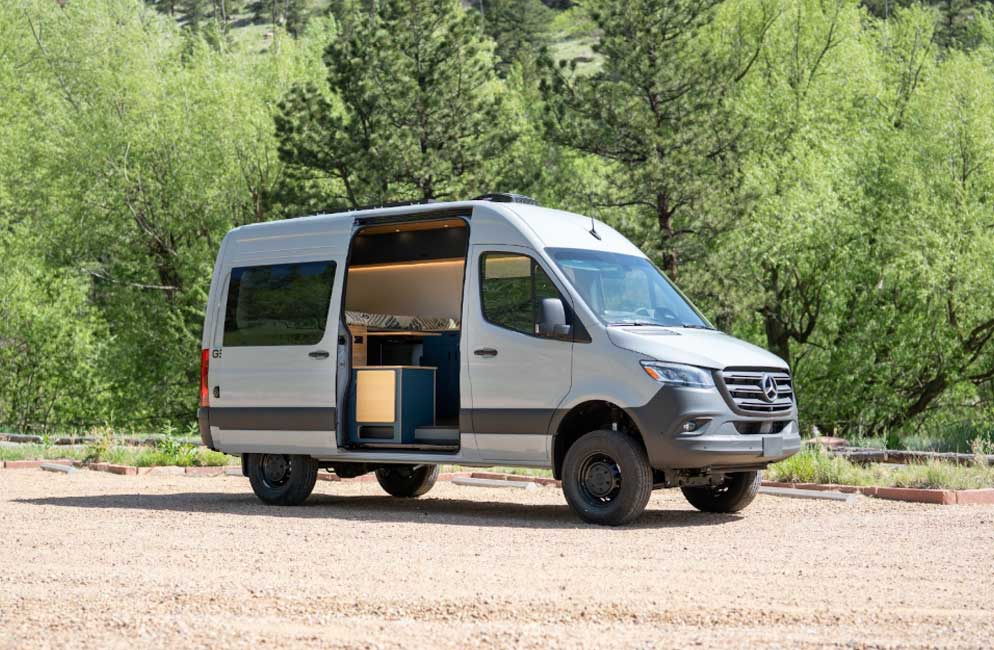
Chassis: Mercedes-Benz Sprinter 144″ AWD
Price Range: Approximately $189,000–$268,000
Storyteller Overland is one of the most recognizable brands in the premium camper van category.
Its MODE lineup is built around consistent layouts and strong brand identity, with models designed for buyers who want a turnkey Class B van that’s ready to travel.
What stands out
Storyteller vans combine the Mercedes-Benz Sprinter platform with established electrical systems, recognizable interiors and a well-developed dealer presence.
Common features include convertible sleeping areas, garage storage, power systems and shower/toilet setups.
What to consider
Because the vans are produced around standardized layouts, buyers looking for a highly custom van may find fewer opportunities to personalize the build.
Pricing also reflects the brand’s scale, distribution and positioning in the luxury camper van market.
Best for
Buyers who want a recognizable, ready-to-go camper van with a consistent design and established support network.
Outside Van
Chassis: Mercedes-Benz Sprinter and Ford Transit
Price Range: Approximately $150,000–$250,000+
Outside Van is known for highly customized van builds designed around outdoor recreation, gear storage and performance.
The company works with both Mercedes-Benz Sprinter and Ford Transit platforms.
What stands out
Customization is a major part of the Outside Van experience.
Buyers can tailor layouts, finishes, electrical systems, suspension, storage and other features around specific travel needs.
These builds often appeal to cyclists, skiers, climbers, surfers and other travelers who need significant gear capacity.
What to consider
Custom van builds generally require more time and a larger budget.
The process also works best for buyers who already have a strong idea of what they want.
Best for
Experienced van travelers and outdoor enthusiasts who want a custom van built around specific gear, activities and travel plans.
VanDOit
Chassis: Ford Transit
Price Range: Approximately $129,900–$249,900
VanDOit takes a modular approach to camper van design.
Instead of focusing on luxury finishes, the company emphasizes flexibility, utility and configurations that can change depending on the trip.
What stands out
VanDOit’s modular track system allows beds, cabinets, gear mounts and other components to be moved or reconfigured.
Options can include solar panels, bike storage, roof racks and other adventure-focused accessories.
What to consider
The interior design leans more utilitarian than many luxury camper vans.
Buyers who prioritize high-end finishes and residential-style interiors may prefer a different approach.
Best for
Travelers who want a flexible Ford Transit-based camper van and prioritize gear hauling and modularity over luxury finishes.
Field Van
Chassis: Mercedes-Benz Sprinter and Ford Transit
Price Range: Approximately $145,000–$300,000+
Field Van focuses on comfortable camper van conversions designed for couples, families and road travelers.
The company offers builds on both Mercedes-Benz Sprinter and Ford Transit platforms.
What stands out
Field Van layouts often include full kitchens, swivel seating, indoor showers, bunks and other features associated with traditional motorhomes.
The overall approach tends to prioritize interior comfort and longer stays on the road.
What to consider
Travelers looking for serious off-road capability or a more minimalist adventure build may prefer a different style of van.
Best for
Couples and families who want a comfortable camper van with more of the conveniences associated with Class B motorhomes.
Winnebago Revel
Chassis: Mercedes-Benz Sprinter AWD
Price Range: Approximately $220,061–$286,681
The Winnebago Revel is one of the most widely recognized Class B RVs built on the Mercedes-Benz Sprinter platform.
It offers a standardized layout, national dealer access and the familiarity of the Winnebago name.
What stands out
The Revel includes a power lift bed, gear garage, wet bath and off-grid power system.
Because it is produced by a large RV manufacturer, buyers also have access to an established dealer and service network.
What to consider
The Revel is built around a standardized design, so there is less opportunity for customization than you’ll find with a custom van builder.
Best for
Buyers who want a turnkey Class B van with national dealer support and a familiar, standardized setup.
The Vansmith
Chassis: Mercedes-Benz Sprinter and Ford Transit
Price Range: Complete vans start around $115,950; conversion-only builds start lower
The Vansmith builds custom and pre-designed camper vans in Boulder, Colorado, using both Mercedes-Benz Sprinter and Ford Transit platforms. Its lineup ranges from simpler conversion packages to complete adventure vans, with layouts designed for couples, families, and longer trips.
What stands out
Vansmith offers both 144″ and 170″ Sprinter layouts, with options that include kitchens, beds, bathrooms, pop-tops, off-grid power, and bamboo cabinetry. The company also emphasizes customization and offers a lifetime cabinet warranty to the original owner.
What to consider
Pricing varies substantially depending on whether you’re buying a conversion only or a complete van. Complete Sprinter models listed by Vansmith currently start around $115,950, while higher-end Bivy models can exceed $200,000.
Best for
Buyers who want a Boulder-built Sprinter or Transit with more customization and a broad range of layout and price options.
Vanworks
Chassis: Mercedes-Benz Sprinter and Ford Transit
Price Range: Complete vans currently start around $122,648; new model starting prices vary by layout
Vanworks builds Class B camper vans in Loveland, Colorado, on both Mercedes-Benz Sprinter and Ford Transit platforms. Its lineup includes the Nomad, Switchback, and Greyrock models, with an emphasis on ready-to-travel features and AWD capability.
What stands out
Vanworks’ Sprinter models include features such as 10,000 kWh power systems, solar, hot water, awnings, garage storage, and removable bed systems. The company also offers RVIA-certified builds and a 3-year/36,000-mile conversion warranty.
What to consider
Pricing varies by model and inventory. Current listings range from roughly $122,648 for a 2025 Nomad Sprinter 144″ to more than $184,000 for certain 2026 Switchback builds. Best for
Buyers who want a Colorado-built Class B van with AWD options, substantial standard equipment, and both ready-made and configurable choices.
Titan Vans
Chassis: Mercedes-Benz Sprinter and Ford TransitPrice Range: Conversions start at $44,995, van not included; complete pre-built vans currently range from about $85,000 to $189,000
Titan Vans builds modular and premium camper van conversions in Boulder, Colorado, on Mercedes-Benz Sprinter and Ford Transit chassis. Its lineup includes Classic, Metis, and Ultra models.
What stands out
Titan publishes transparent conversion pricing and lets buyers configure options individually. Its Classic conversion starts at $44,995 for a Sprinter 144″, while higher-tier Ultra conversions reach $99,995 on a Sprinter 170″
What to consider
Titan’s published conversion prices do not include the chassis, so buyers need to compare the all-in cost rather than the conversion price alone. Current pre-built inventory spans roughly $85,000 to $189,000.
Best for
Buyers who value transparent pricing, modular design, and the ability to choose between Sprinter and Transit platforms.
Rossmönster
Chassis: Mercedes-Benz Sprinter
Price Range: Adventure vans start at $238,871
Rossmönster builds premium four-season adventure vans and expedition trucks in Longmont, Colorado. Its current van lineup includes the Skye, Loft, and Havn, all based on Mercedes-Benz Sprinter platforms.
What stands out
Rossmönster positions its vans at the high end of the market, with substantial off-grid systems, luxury interiors, and specialized layouts. Current starting prices range from $238,871 for the Skye to $308,998 for the Havn.
What to consider
These are among the most expensive vans in this comparison, with pricing reflecting a more luxury-oriented, four-season build approach.
Best for
Buyers looking for a high-end, design-forward adventure van with substantial off-grid capability and a larger budget.
What About Airstream, Westfalia and Leisure Travel Vans?
The camper van market extends well beyond the builders above.
Airstream offers Class B motorhomes built around premium interiors and a long-established RV brand.
Westfalia has a long history in camper vans and remains one of the most recognizable names associated with compact camper travel.
Leisure Travel Vans produces premium motorhomes with a more traditional RV approach, often appealing to buyers who prioritize interior comfort and longer-term travel.
These brands serve slightly different buyers than many custom van builders, but they’re worth considering if you’re comparing the broader camper van and Class B RV market.
Camper Vans vs. Other RV Types
Camper vans sit in a different category from larger Class A and Class C motorhomes.
Class A motorhomes are typically larger and offer more interior living space, while Class C RVs are built on a truck or van chassis with a larger coach body attached.
Travel trailers are another option for travelers who want more living space but don’t mind towing.
Camper vans are generally more compact and easier to drive and park. That makes them especially appealing to travelers who want mobility without giving up basic living systems.
Best Camper Vans Compared: Price, Chassis and Key Features
The best camper van depends on how you travel, how much space you need, what kind of terrain you expect to drive and how much customization you want.
The biggest differences between these vans come down to base vehicle, drivetrain, price, layout flexibility, off-grid capability and how much gear you need to carry.
Use the table below to compare the major differences at a glance.
| Brand | Base vehicle | Starting price (USD) | AWD available | Off-grid focus | Customization level | Best for |
|---|---|---|---|---|---|---|
| Geotrek | Mercedes-Benz Sprinter 144″ | $119,950 | Yes | High | Moderate | Premium off-grid travel and direct-to-consumer value |
| Storyteller Overland | Mercedes-Benz Sprinter 144″ | Approx. $189,000 | Yes | High | Low | Turnkey adventure van buyers |
| Outside Van | Mercedes-Benz Sprinter / Ford Transit | Approx. $150,000 | Yes, depending on chassis | High | High | Buyers wanting a highly custom build |
| VanDOit | Ford Transit | Approx. $129,900 | Depends on configuration | Moderate | High | Modular layouts and gear hauling |
| Field Van | Mercedes-Benz Sprinter / Ford Transit | Approx. $145,000 | Depends on chassis | Moderate | Moderate | Comfort-focused couples and families |
| Winnebago Revel | Mercedes-Benz Sprinter | Approx. $220,261 MSRP | Yes | High | Low | Standardized Class B van with dealer support |
| The Vansmith | Mercedes-Benz Sprinter / Ford Transit | Approx. $115,950 | Yes, depending on chassis | High | High | Custom builds with a wide range of layouts and options |
| Vanworks | Mercedes-Benz Sprinter / Ford Transit | Approx. $122,648 | Yes, depending on chassis | High | Moderate | Well-equipped Class B vans with ready-to-travel features |
| Titan Vans | Mercedes-Benz Sprinter / Ford Transit | $44,995 conversion only | Yes, depending on chassis | High | High | Modular builds and buyers who value transparent pricing |
| Rossmönster | Mercedes-Benz Sprinter | Starting at $238,871 | Yes | Very high | High | Premium four-season adventure vans |
Pricing and product details sourced from the indicated brands’ websites and updated October 15, 2026. Prices, specifications and availability may change.
How to Choose the Best Camper Van for You
There is no single best camper van for every buyer.
If you want a custom van built around very specific gear or activities, a highly customized builder may make the most sense.
If you want a traditional Class B van with dealer support, brands like Winnebago may be a better fit.
If you want a Sprinter-based van that balances premium materials, off-grid capability, storage and direct-to-consumer pricing, Geotrek is worth comparing closely.
The most important thing is to look beyond the spec sheet.
Think about how you’ll actually use the van. Drive it. Move through it. Open the cabinets. Try the systems. Look at where your gear will go.
The right camper van should make travel easier, not give you more things to work around.
Ready to Compare Camper Vans in Person?
If you’re still narrowing down your options, our team can help you compare layouts, power systems, storage, pricing and availability.
You can also explore our current inventory of available vans if you’re looking to get on the road sooner.